
Joints
Cubital Tunnel Syndrome: Causes, Red Flags and Care
Cubital tunnel syndrome is irritation of the ulnar nerve at the inner elbow — the same nerve that zings when you hit your “funny bone.” Tingling in the little finger and pinky-side ring finger is the classic map. Many flares settle when you stop parking the elbow bent for hours; lasting weakness needs a clearer plan.
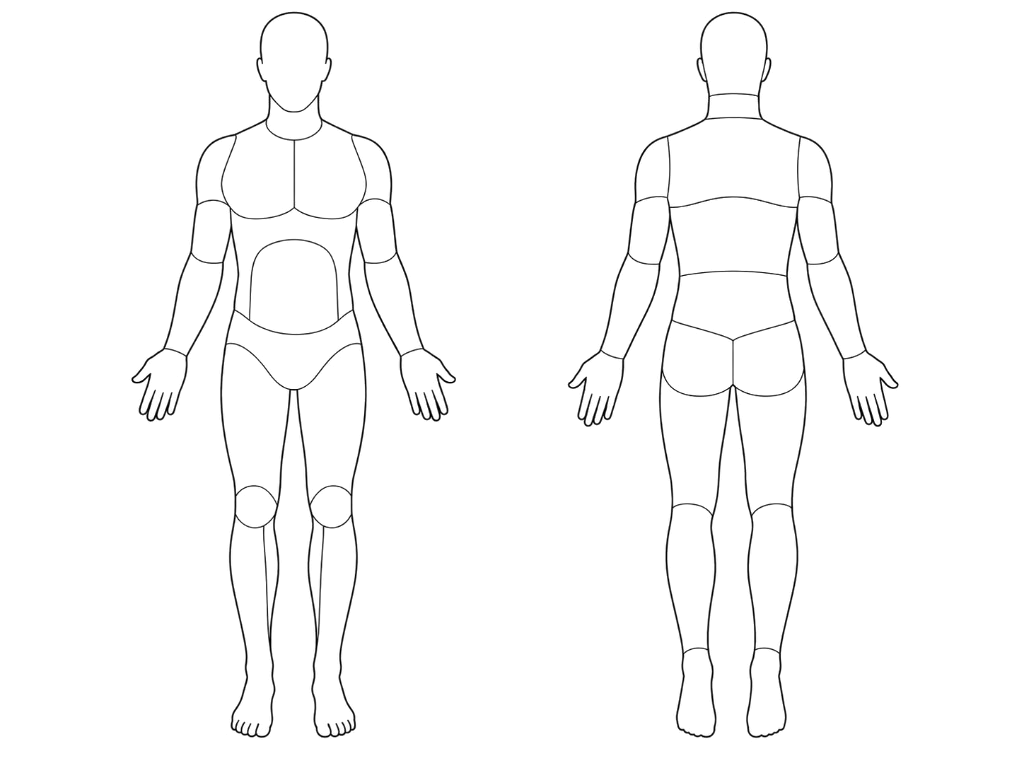
Where is cubital tunnel syndrome felt?
The ulnar nerve passes through a groove on the inner elbow (the cubital tunnel). Pressure there sends signals into the ulnar map: little finger, the pinky-side half of the ring finger, and often the outer edge of the palm. The thumb and index finger are usually quiet — that helps separate this from carpal tunnel. Some people also feel ache right at the funny-bone spot or along the ulnar forearm.
What does cubital tunnel syndrome feel like?
Often a buzz or “asleep” feeling in the pinky after the elbow stays bent — phone calls, laptop work with elbows on a hard desk, or sleeping curled up. Hitting the inner elbow can leave a longer aftershock than usual. Later, people notice weaker grip for keys or a wider gap when they try to hold paper between the fingers (intrinsic muscle fatigue).
What causes cubital tunnel syndrome
Bending the elbow stretches and tightens the tunnel around the ulnar nerve. Repeated stretch, direct pressure, or swelling can keep the nerve irritable. Anatomy and prior injury also play a role.
- Prolonged elbow flexion — phone holds, sleeping with arms bent, long drives
- Leaning the inner elbow on a hard desk edge, car window, or armrest
- Repetitive throwing or tool work that loads the medial elbow
- Prior elbow fracture, dislocation, or arthritis that narrows the groove
- Fluid retention, diabetes, or thyroid underactivity as contributing factors
- A naturally shallow groove or nerve that slips (subluxes) over the epicondyle
Cubital tunnel vs carpal tunnel
Carpal tunnel crowds the median nerve at the wrist — thumb, index, middle finger, night shaking. Cubital tunnel crowds the ulnar nerve at the elbow — little finger and pinky-side ring finger, worse with bent elbows. Wrong map → wrong self-care. Both can coexist.
Why phone calls light it up
Holding a phone to the ear keeps the elbow flexed for minutes to hours. That posture stretches the ulnar nerve in its groove — a free experiment most people recognize once it is named.
When the neck is the real source
A C8 nerve root in the neck can mimic an ulnar hand map. Neck motion that recreates arm symptoms, or symptoms that skip the elbow, points higher up. A decent exam checks both levels.
Symptoms that may occur with cubital tunnel syndrome
- Numbness or tingling in the little finger and the pinky-side half of the ring finger
- Elbow “funny bone” sensitivity that lingers after leaning or bumping the inner elbow
- Night or morning buzzing after sleeping with the elbows bent
- Hand clumsiness — dropping things or a weaker pinch between thumb and little finger
- Aching along the inner elbow or ulnar side of the forearm
- Worse symptoms after long phone calls, driving with a bent elbow, or desk leaning
When should you seek urgent medical help?
Most cubital flares are not emergencies — but get prompt care if:
- Rapidly progressive hand weakness or clawing of the ring/little fingers
- Constant numbness that never eases, or muscle wasting along the outer palm
- Elbow trauma with deformity, inability to move the joint, or cold/pale hand
- Fever with a hot, red, swollen elbow joint
- Both arms numb with neck pain, walking trouble, or bowel/bladder change
- Sudden face/arm weakness or speech trouble (stroke pathway — call emergency services)
How cubital tunnel syndrome is figured out
History plus a focused elbow and hand exam usually lead: sensory map, intrinsic strength, and whether bending or tapping the inner elbow recreates symptoms. Nerve studies help confirm and grade severity when the story is mixed or surgery is considered.
- History: elbow posture triggers, pinky map, night symptoms, prior elbow injury
- Exam: sensation, finger abduction/adduction, Tinel at the cubital tunnel, elbow flexion test
- Nerve conduction / EMG when diagnosis is unclear or intervention is on the table
- X-ray or ultrasound selectively for bony deformity, snapping nerve, or other local pathology
Treatment options
- Activity change first: avoid prolonged elbow bend and hard leaning on the funny bone
- Night elbow pad or soft wrap that limits deep flexion while you sleep
- Headset or speakerphone instead of cradling a phone for long calls
- Anti-inflammatories if safe for you; treat contributors like diabetes when present
- Physical or hand therapy for nerve-glide drills and posture coaching
- Surgery (decompression ± transposition) when weakness progresses or conservative care fails
Can I manage cubital tunnel syndrome at home?
Often yes early on— if grip is still strong and red flags are absent
Mild, posture-triggered tingling often calms when you stop the bent-elbow habit and pad the nerve at night. If pinky numbness becomes constant or hand strength fades over weeks, get assessed — the ulnar nerve does not like long compression.
What helps at home
- Keep elbows closer to straight during sleep — a soft towel wrap can remind you
- Pull the keyboard toward you so elbows are not planted on a hard desk edge
- Use a headset; switch the phone hand; take stretch breaks on long calls
- Pad the car armrest or avoid hanging the elbow out the window
- Note which postures recreate pinky buzz — that list guides your clinician
Avoid
- Hours of elbow flexion through buzzing fingers “to finish the call”
- Resting the funny-bone groove on hard surfaces while gaming or working
- Aggressive elbow stretching that recreates sharp electric pain
- Ignoring progressive little-finger weakness or claw posture
The bigger picture
The ulnar nerve has little padding where it wraps the inner elbow. Modern life — phones, keyboards, car armrests — asks that nerve to sit bent and pressed more than it likes. The pinky map is the clue that the problem is often at the elbow, not the wrist.
Early fixes are posture and padding. Surgery exists for stubborn compression or clear weakness, but many people never need it if they catch the bent-elbow habit early.
This page is general information, not a personal diagnosis. Progressive weakness or constant pinky numbness deserves a clinician’s exam.
Frequently asked questions
Is this the same as hitting my funny bone?
Same nerve, different timeline. A funny-bone bump is a brief zap. Cubital tunnel syndrome is when that nerve stays irritated — often from posture — so tingling returns with bent elbows instead of fading in seconds.
Why is my little finger numb but not my thumb?
The ulnar nerve supplies the little finger and the pinky half of the ring finger. The thumb and index finger are mostly median-nerve territory (carpal tunnel). That finger map is one of the most useful clues in the whole exam.
Should I wear a wrist splint?
Wrist splints target carpal tunnel. For cubital tunnel the useful night aid is something that keeps the elbow from curling tightly — a soft wrap or padded sleeve — not a wrist cock-up splint.
Can sleeping position alone cause this?
It can be a major aggravator. Arms curled under a pillow keep the elbow flexed for hours. Many people notice fewer morning symptoms within days of changing that habit — even before other treatment.
Will I need surgery?
Not automatically. Activity change and night padding help a large share of mild cases. Surgery is considered when weakness grows, muscle bulk shrinks, or symptoms stay severe despite months of good conservative care.
Could this be coming from my neck instead?
Yes — a lower cervical root can mimic an ulnar hand pattern. If looking up, turning the head, or coughing spikes the arm symptoms, say so. Exam and, when needed, nerve studies sort elbow vs neck.
How long before I should see a clinician?
If red flags appear, go now. Otherwise, if pinky tingling persists beyond a few weeks of posture fixes — or grip feels weaker — book a visit rather than waiting for hand muscles to thin.
Informational only — not a diagnosis or treatment plan. Seek professional care for personal medical decisions. Progressive hand weakness or constant pinky numbness needs prompt evaluation.