Joints
Osteoarthritis: Knee Pain, Causes and Treatment
Osteoarthritis is the “wear-and-repair” kind of joint change — cartilage thins, the knee complains on stairs and after long days, and stiffness shows up when you sit too long. It is not just “old age,” and it is not a sentence to stop moving. Smart load, strength, and the right pain plan change how the knee feels day to day.
Where does osteoarthritis knee pain sit?
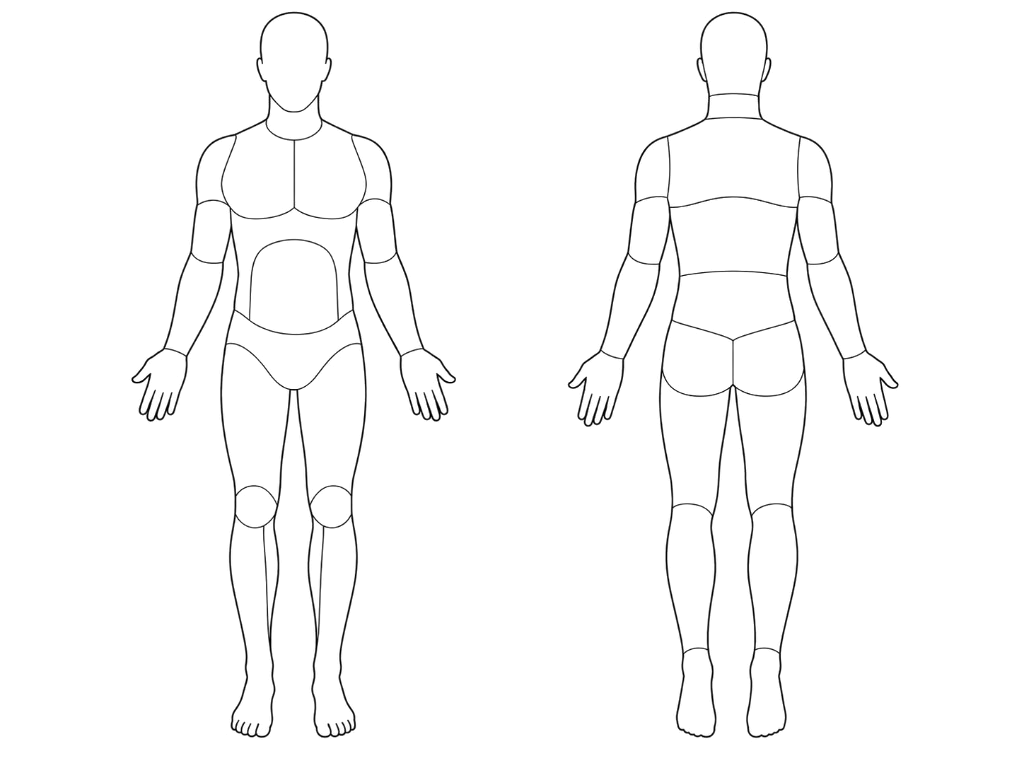
Most people feel it deep in the knee — front under the kneecap, inner side, or a general ache that wraps the joint. Pain can radiate a little into the thigh or calf when the joint is angry. One knee often leads; the other may join later.
What does knee osteoarthritis feel like?
Picture a hinge that lost some of its cushion. First steps after sitting feel rusty; then the joint loosens. Stairs — especially going down — turn into a negotiation. Some days you hear or feel grind. Bad flares swell and throb at night. Good weeks you almost forget… until a long walk on concrete reminds you.
What drives osteoarthritis and knee pain
Cartilage is living tissue that handles load and repairs itself slowly. When repair can’t keep up — age, injury, excess load, alignment — the joint surface roughens and the bone underneath reacts. That is osteoarthritis (OA), not “bone dust from nowhere.”
- Age and cumulative joint use (common after 40–50, not automatic)
- Past injury — meniscus tear, ACL, fracture around the knee
- Extra body weight (every kilo multiplies force through the knee)
- Jobs or sports with heavy squatting, kneeling, or impact
- Family history / joint shape (bowlegs, knock-knees)
- Muscle weakness around the hip and thigh that leaves the knee unprotected
Osteoarthritis vs rheumatoid arthritis
OA is mainly mechanical and local. Rheumatoid arthritis is an autoimmune attack — often many joints, longer morning stiffness, systemic fatigue. Different playbooks; don’t self-label every stiff knee as “just wear.”
Why the X-ray and your pain don’t always match
Some people have scary-looking films and mild symptoms; others hurt a lot with milder images. Pain is also nerves, muscles, sleep, and mood — treating only the “bone picture” misses half the story.
Knee pain that isn’t OA
Tendonitis, bursitis, referred hip/spine pain, gout, and infection can mimic osteoarthritis. Sudden hot swelling, fever, or inability to bear weight needs a different urgent path.
Motion is medicine (the counterintuitive part)
Resting forever stiffens the joint and weakens the shock absorbers (your muscles). The winning pattern is usually move smarter — not never move.
Symptoms that often travel with knee OA
- Aching or stiffness in the knee that eases a bit after you start moving
- Pain that builds with stairs, squatting, or long walks
- Grinding, clicking, or a “catching” feel in the joint
- Swelling that comes and goes after activity
- Knee that feels unstable or won’t fully straighten
- Worse stiffness first thing in the morning (usually under 30 minutes)
When should you seek urgent medical help?
Get checked urgently if:
- Knee that is suddenly hot, very swollen, and red — especially with fever
- You cannot put weight on the leg after a twist or fall
- Knee locks and will not straighten, or feels like it will give way repeatedly
- Calf swelling, chest pain, or shortness of breath after immobility (clot concern)
- Rapidly worsening pain unlike your usual OA pattern
- Numbness, foot drop, or pain shooting from the back that suggests a spine issue
How knee osteoarthritis is diagnosed
A good clinician listens to your story, watches you walk and squat a little, and presses around the joint. Imaging confirms when the plan might change — not always on day one.
- History + exam (crepitus, alignment, range of motion, strength)
- X-ray to show joint-space narrowing and bone spurs
- MRI if soft-tissue injury or another diagnosis is suspected
- Blood tests mainly to rule out inflammatory arthritis when the pattern is odd
- Aspiration of joint fluid if infection or crystal arthritis is possible
Treatment options
- Strength and mobility work for quads, hips, and calves (often the highest-ROI step)
- Activity tweaks — shorter walks more often, softer surfaces, sensible shoes
- Weight management when relevant (even modest loss eases knee load)
- Topical or oral pain relievers as advised; short steroid injections for some flares
- Bracing, canes, or taping for selected patterns
- Surgery (including knee replacement) when pain and limits stay high despite solid non-surgical care
Can I manage knee osteoarthritis at home?
Often yes— for day-to-day control
Most people live with OA using home habits plus occasional clinician check-ins. Home care fails when pain suddenly changes character, the joint looks infected, or you stop all activity and wait for a miracle pill.
What helps at home
- Daily gentle movement: walk, cycle, or pool work that doesn’t spike pain for days
- Simple strength: sit-to-stand, wall sits (short), hip abductions — progress slowly
- Ice after busy days; heat before movement if stiffness dominates
- Break up long sitting; stretch calves and quads without forcing a deep squat
- Track flare triggers (hills, kneeling, new shoes) so you can plan around them
Avoid
- Total bed rest for weeks “to protect the cartilage”
- Deep painful lunges or pounding hills during a flare
- Living on high-dose oral NSAIDs without medical advice (stomach, kidney, heart risks)
- Ignoring a hot, red, locked knee because “it’s just arthritis”
The bigger picture on knee OA
Osteoarthritis is the world’s most common joint disease. In the knee it shows up as a slow conversation between cartilage, bone, ligaments, and the muscles that steer the joint. You cannot rewind decades of load — but you can change the next decade’s load.
People who do best usually combine three things: stronger legs, smarter activity, and realistic pain tools. Surgery is a tool for the right moment, not the first slide in every deck.
This page is general information, not a personal diagnosis. Get assessed if pain limits walking, sleep, or work — or if red-flag swelling and fever appear.
Frequently asked questions
Should I stop walking if my knees hurt?
Usually no. Cut distance or intensity so pain settles within a day, then rebuild. Complete rest often makes stiffness and weakness worse. If every step is sharp or the knee gives way, get checked before pushing through.
Do glucosamine or “joint supplements” fix osteoarthritis?
Evidence is mixed and modest at best. They are not a substitute for strength work, weight management, and proven pain strategies. Ask a clinician before spending on long supplement stacks.
Will I inevitably need a knee replacement?
No. Many people manage OA for years without surgery. Replacement is considered when pain and limits stay high after solid non-surgical care — not the moment an X-ray looks imperfect.
Why is going downstairs harder than going up?
Descending loads the kneecap and joint surfaces differently and asks more of the quads as brakes. That pattern is classic for patellofemoral and OA-related knee pain — and a reason strength training helps.
Informational only — not a diagnosis or treatment plan. Seek professional care for personal medical decisions.