
Joints
Piriformis Syndrome Pain: Causes, Red Flags and Care
Piriformis syndrome is irritation of a deep hip rotator muscle in the buttock that can squeeze or bother the nearby sciatic nerve. Pain often sits deep in one cheek and may travel down the back of the thigh. Most flares settle with smarter sitting, gradual hip strength, and time — a few patterns need prompt care.
Where is piriformis syndrome pain located?
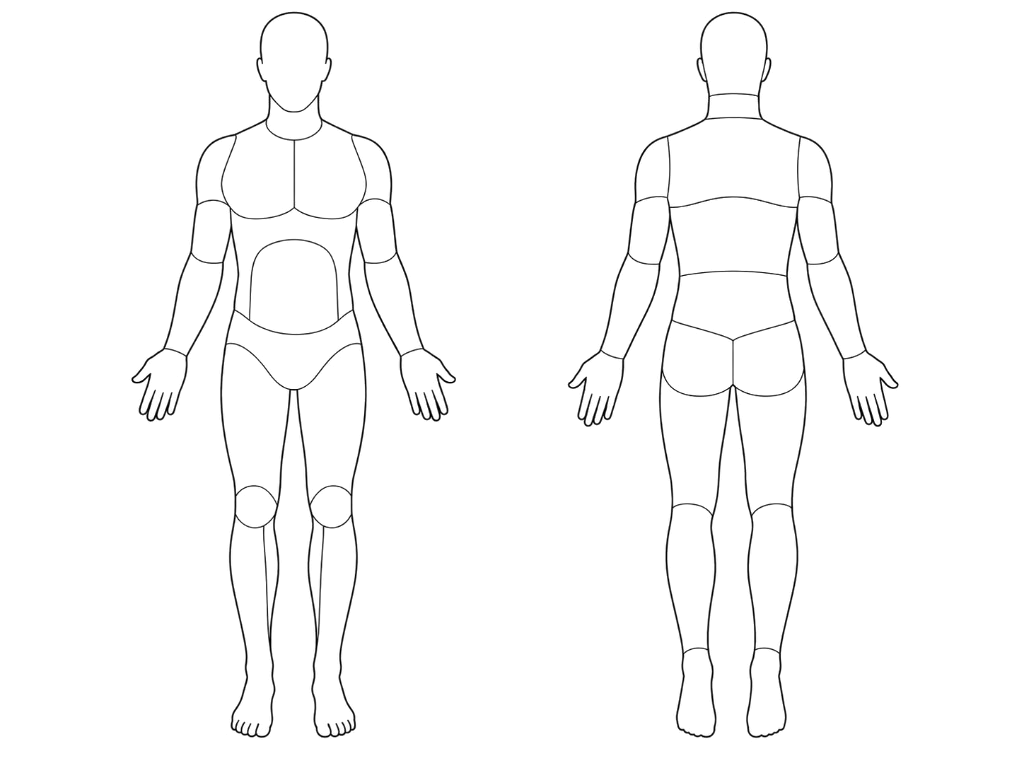
The piriformis sits deep in the buttock, running from the sacrum toward the top of the femur. Pain is usually felt deep in one glute — not as a surface bruise — and may spread toward the sit bone, outer hip, or down the back of the thigh. When the sciatic nerve is irritated, some people feel zaps or numbness past the knee into the calf or foot.
What does piriformis syndrome pain feel like?
Often a deep ache, burn, or “tight knot” in one buttock. Sitting — especially on a hard chair, bike saddle, or long car ride — is a classic trigger. Stairs, lunges, and crossing the affected leg can light it up. Nerve-type irritation may add buzzing, pins-and-needles, or a band of pain down the hamstring.
What causes piriformis syndrome pain
The piriformis helps turn the hip outward and stabilize the pelvis. When it is tight, overworked, or irritated, it can bother the sciatic nerve that runs near (or sometimes through) the muscle. The label is clinical — imaging often looks normal.
- Prolonged sitting with a flexed hip (desk work, long drives, wallet in a back pocket)
- Sudden training spikes — hills, sprint starts, deep lunges, or new gym volume
- Glute weakness that leaves the deep rotators doing extra work
- Trauma or a fall onto the buttock
- Anatomical variants where the sciatic nerve passes through the piriformis
- Overlap with SI joint irritation, lumbar disc referral, or hamstring origin pain
Piriformis vs true lumbar sciatica
Both can send pain down the leg. Lumbar sciatica more often follows a disc or facet story — worse with coughing, bending, or prolonged sitting with clear back findings. Piriformis-type pain is often louder with hip rotation, deep glute pressure, and sitting on that cheek. Overlap is common; exam beats self-labeling.
Why one side?
Asymmetry is normal. A dominant driving leg, crossed-leg habit, or uneven training load can bias one piriformis. One-sided symptoms do not mean a different disease from the other cheek — they help you and your clinician track the story.
When the hip or back is the real source
Groin pain with rotation, locking, or true hip stiffness points more toward the hip joint. Morning back stiffness that eases as you walk points toward the lumbar spine. The deep glute is often just where the complaint is loudest.
Symptoms that may occur with piriformis syndrome
- Deep ache or burn in one buttock — often worse after sitting on a hard surface
- Pain that flares when you climb stairs, get out of a car, or cross that leg
- Tenderness deep in the glute, not just on the skin surface
- Sciatica-like pain, tingling, or numbness down the back of the thigh — sometimes past the knee
- A limp or habit of shifting weight off the sore side
- Stiffness after long drives or desk work that eases once you walk a bit
When should you seek urgent medical help?
Most piriformis-type flares are not emergencies — but get urgent care if:
- New bowel or bladder control problems, or numbness in the saddle / genital area
- Progressive leg weakness, foot drop, or inability to walk
- Pain after major trauma (fall, crash) with inability to bear weight
- Fever, unexplained weight loss, night pain that never eases, or history of cancer
- Sudden severe pain with a swollen, hot, red joint or feeling systemically ill
- Chest pain, shortness of breath, or calf swelling with buttock/leg pain (clot concern)
How piriformis syndrome is figured out
Diagnosis is usually clinical: history, sitting tolerance, and a targeted exam of the lumbar spine, SI joint, hip, and deep glute. There is no single lab test. Imaging is mainly used to rule out other serious causes when red flags or stubborn symptoms appear.
- History: onset, sitting tolerance, radiation below the knee, bowel/bladder changes
- Exam: hip rotation, deep glute tenderness, nerve tension tests, lumbar and SI checks
- X-ray or MRI when fracture, serious disc disease, or other pathology must be excluded
- Rarely, labs if infection or inflammatory disease is on the table
Treatment options
- Relative rest from aggravators (long static sitting, deep lunges) — not bed rest forever
- Short-term ice or heat for comfort; anti-inflammatories if safe for you
- Gentle mobility for hips without forcing sharp nerve-like pain
- Glute activation and hip strength work once sharp pain settles
- Physical therapy for stubborn or recurrent flares
- Targeted injections only in select cases after a clear clinical target
Can I manage piriformis syndrome pain at home?
Often yes— if red flags are absent
Mild-to-moderate flares without nerve red flags usually improve with load management and gradual strength. If pain is worsening after 1–2 weeks of smart care, or you have numbness/weakness, get assessed.
What helps at home
- Break up sitting every 30–45 minutes; use a cushion if the sit bone is tender
- Short walks are better than all-day couch protection
- Gentle glute bridges and side-lying clam shells once pain allows — stop if sharp
- Sleep with a pillow between the knees if side-lying twists the pelvis
- Keep wallets and phones out of the back pocket on the sore side
Avoid
- Aggressive “piriformis stretches” that recreate sharp, shooting nerve pain
- Deep squats or hill sprints through a fresh flare
- Ignoring saddle numbness or new foot drop while self-treating
- Weeks of high-dose NSAIDs without medical advice
The bigger picture
“Piriformis syndrome” is a useful clinical label for deep buttock pain that behaves like a rotator–nerve neighborhood problem. Sitting cultures, sudden training spikes, and weak glutes all funnel stress into that small muscle.
Most people improve in days to a few weeks. Recurrence usually means the aggravating pattern returned before strength and sitting tolerance caught up. Durable fixes look boring: stronger hips, smarter sitting, gradual return to load.
This page is general information, not a personal diagnosis. New, severe, or neurological symptoms need prompt medical evaluation.
Frequently asked questions
Is piriformis syndrome the same as sciatica?
Not exactly. Sciatica describes nerve-type pain traveling down the leg. Piriformis syndrome is one possible peripheral cause of that pattern — when the deep glute muscle irritates the sciatic nerve. Plenty of “sciatica” starts in the lumbar spine instead. Describe where pain starts and whether it travels.
Can sitting with a wallet in my back pocket trigger it?
Yes — a thick wallet creates a one-sided bump under the glute for hours. Many people notice relief within days of keeping the wallet elsewhere. It will not fix every cause, but it is a free experiment worth running.
Should I stretch or strengthen first?
If stretching recreates sharp, shooting pain, stop and prioritize gentle movement plus later strength. Weak or under-fired glutes are a common driver; endless aggressive stretching alone often underperforms compared with progressive activation.
Why does a long car ride hurt more than a workout?
Static compression and a flexed hip for hours can irritate the deep rotators and nearby nerve more than dynamic loading. Break the trip with short walks; adjust seat recline so you are not perched on one sit bone.
Can lower back problems feel exactly like piriformis pain?
Absolutely. Referred lumbar pain often parks in the deep glute. That is why a decent exam includes the spine even when “all you feel” is the buttock.
How long before I should see a clinician?
If red flags appear, go now. Otherwise, if pain is limiting sleep or walking after about 1–2 weeks of sensible self-care — or keeps returning every time you sit or train — book a visit rather than cycling the same failed plan.
Informational only — not a diagnosis or treatment plan. Seek professional care for personal medical decisions. New neurological symptoms or trauma need prompt evaluation.