Abdomen
GERD: Symptoms, Causes and Treatment
GERD (gastroesophageal reflux disease) is when stomach acid flows back into the esophagus often enough to cause heartburn, regurgitation, or irritation. Many people improve with diet changes and medicine; ongoing or severe symptoms need a clinician.
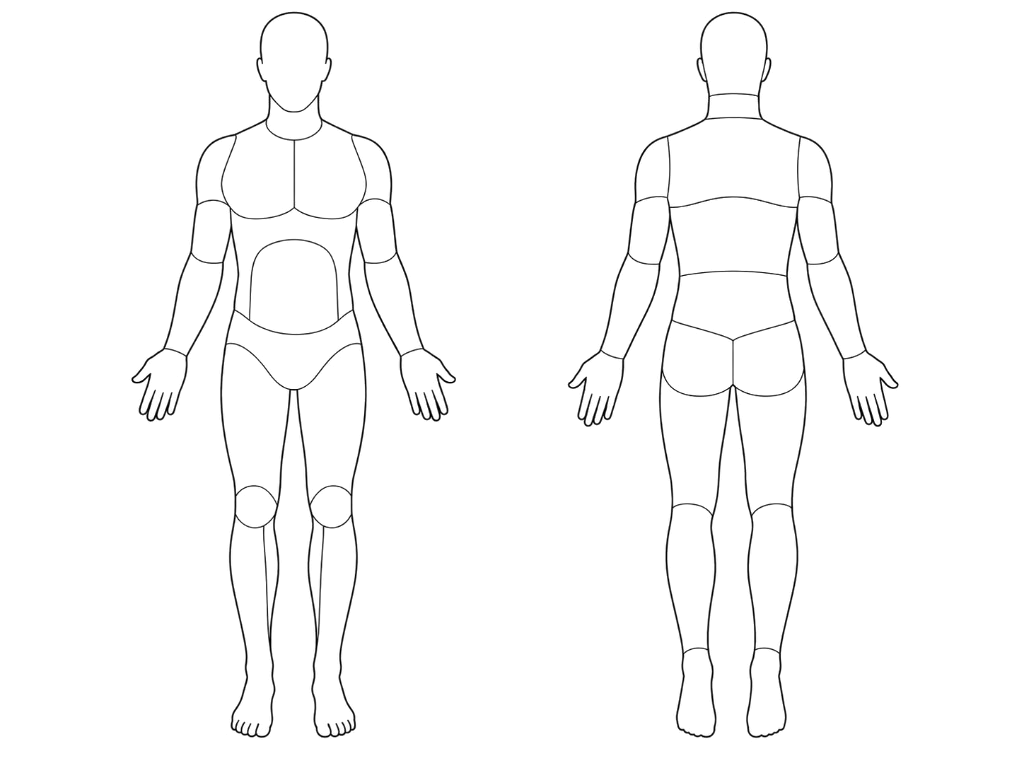
Where is GERD felt?
The classic feeling is burning behind the breastbone (heartburn) that can rise toward the throat. Some people feel pressure or discomfort in the upper abdomen. Acid can also irritate the throat and voice without much chest burn.
What does GERD feel like?
Many describe a hot, sour, or burning rise after eating, when lying flat, or at night. Intensity ranges from mild annoyance to pain that wakes you up. It can mimic other chest problems — new or crushing chest pain always needs urgent evaluation.
Common causes of GERD
- Weak or relaxed lower esophageal sphincter (the valve between esophagus and stomach)
- Large meals, late-night eating, or lying down soon after food
- Trigger foods (spicy, fatty, citrus, tomato, chocolate, mint, caffeine, alcohol)
- Obesity or increased abdominal pressure (including pregnancy)
- Hiatal hernia
- Smoking and some medicines that relax the sphincter
Acid reflux vs GERD
Occasional heartburn after a big meal is common. GERD means reflux is frequent or bothersome enough to affect daily life or damage the esophagus over time.
Lifestyle and meals
How and when you eat often matters as much as what you eat. Smaller meals, earlier dinners, and not lying flat right after food reduce reflux for many people.
Structural factors
A hiatal hernia or increased pressure in the belly can make it easier for acid to move upward. Weight loss (when relevant) is one of the most effective non-drug steps.
Heartburn vs heart pain
Reflux can feel like chest pain, but so can heart disease. Sudden pressure, pain with exertion, shortness of breath, sweating, or pain into the arm or jaw is an emergency — do not assume it is GERD.
Symptoms that may occur with GERD
- Burning in the chest (heartburn), often after meals or at night
- Sour or bitter taste / regurgitation of food or acid
- Upper belly discomfort or fullness
- Trouble swallowing or feeling of a lump in the throat
- Chronic cough, hoarseness, or sore throat
- Worse symptoms when lying down or bending forward
When should you seek urgent medical help?
Get urgent care if:
- Crushing chest pain, pain with exertion, shortness of breath, or symptoms of a heart attack
- Vomiting blood or material that looks like coffee grounds
- Black, tarry stools
- Trouble swallowing solids or liquids, or food getting stuck
- Unexplained weight loss or persistent vomiting
- Severe abdominal pain, fever, or feeling very unwell with reflux symptoms
How GERD is diagnosed
Many people start with history and a trial of lifestyle changes plus acid-reducing medicine. Extra tests are used when symptoms are atypical, severe, or do not improve.
- Clinical history and symptom pattern
- Trial of PPI or other acid suppression (when appropriate)
- Upper endoscopy (looks at esophagus and stomach)
- pH or impedance testing in selected cases
- Tests to rule out other causes of chest or throat symptoms
Treatment options
- Diet and meal-timing changes; elevate the head of the bed if night symptoms dominate
- Antacids for occasional relief
- H2 blockers or proton pump inhibitors (PPIs) when recommended by a clinician
- Weight management and stopping smoking when relevant
- Review of medicines that worsen reflux
- Procedures or surgery for selected people with refractory GERD or large hernia
Can I manage GERD at home?
Often yes— for mild, typical heartburn
Lifestyle steps and short courses of over-the-counter acid reducers help many people. See a clinician if symptoms are frequent, wake you at night, do not improve, or you have any red-flag signs above.
What helps at home
- Eat smaller meals; finish dinner 2–3 hours before lying down
- Limit known triggers (fatty/spicy food, alcohol, caffeine, mint, chocolate, citrus, tomato)
- Raise the head of the bed (not just extra pillows) if night reflux is bad
- Maintain a healthy weight and avoid tight belts after meals
- Use antacids or clinician-approved acid reducers as labeled — not endlessly without advice
Avoid
- Lying flat right after large meals
- Smoking and heavy late-night drinking
- Assuming every chest burn is “just GERD” when it feels new or severe
- Long-term daily PPI use without a clinician’s plan
Everything about GERD
In GERD, the barrier between the stomach and esophagus does not keep acid where it belongs often enough. Repeated exposure can inflame the esophageal lining and, over years, raise risks such as erosions, strictures, or Barrett’s esophagus in some people — which is why persistent symptoms deserve follow-up.
Not everyone with reflux has the same story. Some mainly get heartburn; others get cough, hoarseness, or sleep disruption with little classic burn. Treatment is matched to how often symptoms hit and whether the esophagus shows damage on exam.
This page is general information, not a personal diagnosis. New, severe, or changing chest symptoms need prompt medical care.
Frequently asked questions
Is GERD the same as occasional heartburn?
Occasional heartburn is common. GERD means reflux is frequent or bothersome enough to affect life or irritate the esophagus — usually more than rare post-meal burn.
Can I treat GERD at home?
Often yes for mild, typical symptoms: meal timing, trigger limits, bed elevation, and labeled OTC options. Frequent, severe, or red-flag symptoms need a clinician.
When should I see a doctor for reflux?
See a clinician if heartburn is frequent, wakes you up, does not respond to basic care, or you have trouble swallowing, bleeding, weight loss, or chest pain that could be cardiac.
Informational only — not a diagnosis or treatment plan. Seek professional care for personal medical decisions.