Abdomen
Kidney Stones: Symptoms, Causes and Treatment
Hard mineral deposits that form in the kidneys and can cause intense pain as they move through the urinary tract. Many stones pass on their own; some need medical treatment.
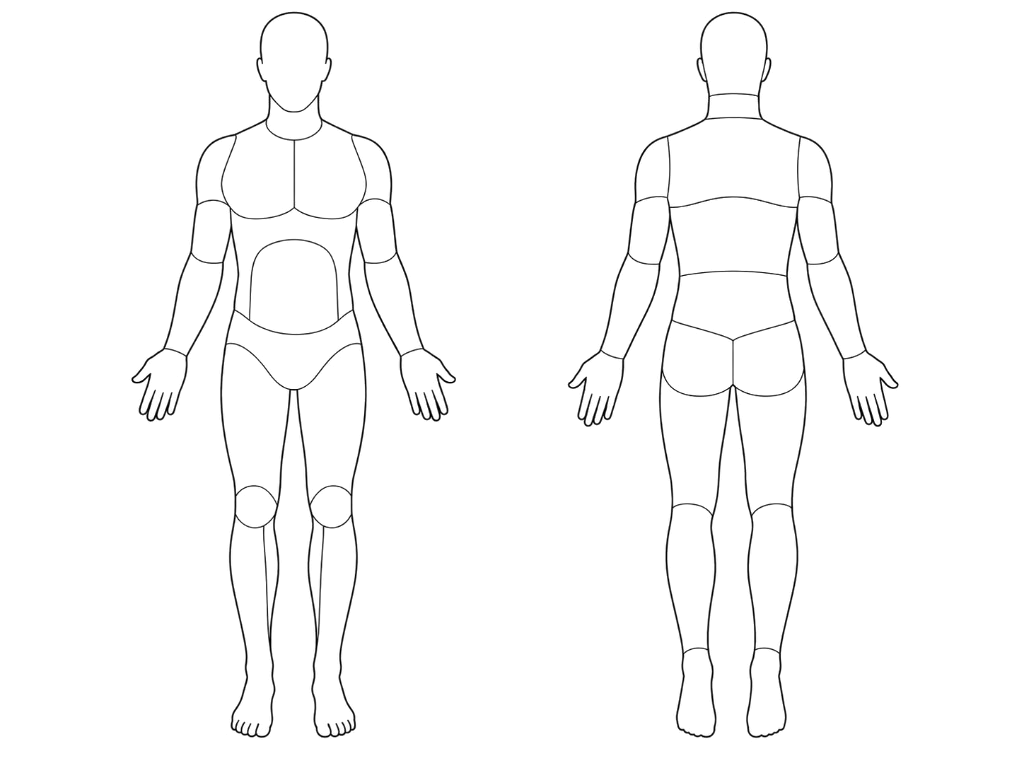
Where does kidney stone pain locate?
Pain often starts in the flank or lower back (kidneys) and may move toward the groin.
What does kidney stone pain feel like?
Patients often describe it as one of the worst pains they have felt — sharp, cramping waves in the side or back that can radiate to the lower abdomen or groin.
Common causes of kidney stones
- Dehydration / low fluid intake
- Diet high in salt, sugar, or animal protein
- Family history / genetics
- Obesity
- Certain medical conditions (e.g. gout, UTIs, digestive disease)
- Some medications or supplements
Symptoms that may occur with kidney stones
- Pain in the side or back (flank)
- Pain that comes in waves
- Blood in urine
- Nausea or vomiting
- Frequent or urgent urination
- Burning when urinating
When should you seek urgent medical help?
Go immediately if:
- High fever or chills
- Persistent vomiting
- Pain so severe you cannot find a comfortable position
- Unable to urinate
- Blood in urine with dizziness or weakness
How kidney stones are diagnosed
- Urine test
- Blood test
- Ultrasound
- CT scan (often the most definitive imaging)
- X-ray in some cases
Treatment options
- Pain medication and hydration while a small stone passes
- Medications that help the stone pass (in some cases)
- Shock wave therapy (ESWL) to break up stones
- Ureteroscopy or other procedures to remove stones
- Surgery for larger or complicated stones
- Lifestyle and diet changes to lower recurrence risk
What you can do at home
YES— for many small stones, with caution
Small stones may pass with home care. Large stones, infection, or severe symptoms need a clinician.
Home treatment
- Drink plenty of water (unless a doctor told you to limit fluids)
- Rest in a position that eases the waves of pain
- Use clinician-approved pain relief (e.g. NSAIDs if safe for you)
- Strain urine if asked, to catch a stone for testing
Avoid
- Ignoring fever, vomiting, or inability to pee
- Heavy alcohol while dehydrated
- Delaying care if pain keeps escalating
Everything about kidney stones
Kidney stones (nephrolithiasis) form when minerals in urine crystallize and stick together. Size ranges from a grain of sand to larger stones that block urine flow. Location and size largely decide how bad the pain feels and whether the stone can pass without a procedure.
Classic pain is renal colic: sudden, severe flank pain that comes in waves as the ureter spasms around the stone. Blood in the urine, nausea, and urinary urgency are common companions. Not everyone has all symptoms — some stones are found on imaging done for other reasons.
Risk goes up with low fluid intake, high sodium diets, excess animal protein, obesity, and certain metabolic or digestive conditions. A past stone raises the chance of another, so prevention (hydration first) matters after the acute episode settles.
Diagnosis usually starts with history and urine testing; CT is frequently used when the picture is unclear or complications are possible. Treatment is matched to stone size, location, infection risk, and kidney function — from watchful waiting with pain control to outpatient procedures or surgery.
This page is general information, not a personal diagnosis. If you think you have a kidney stone — especially with fever, vomiting, or trouble urinating — get medical care promptly.
Frequently asked questions
Can I treat kidney stones at home?
Small stones may pass with home care — hydration, rest, and clinician-approved pain relief. Large stones, infection, or severe symptoms need a clinician.
When should I go to a doctor?
Go immediately for high fever or chills, persistent vomiting, pain so severe you cannot get comfortable, inability to urinate, or blood in urine with dizziness or weakness.
How bad is the pain?
Patients often describe it as one of the worst pains they have felt — sharp, cramping waves in the side or back that can radiate to the lower abdomen or groin.
Informational only — not a diagnosis or treatment plan. Seek professional care for personal medical decisions.