
Head
Migraine: Symptoms, Causes and Treatment
Migraine is a neurological condition that causes recurring attacks of moderate to severe head pain, often with nausea and sensitivity to light or sound. Attacks can last hours to days; many people can reduce frequency and intensity with the right plan.
Where is migraine pain located?
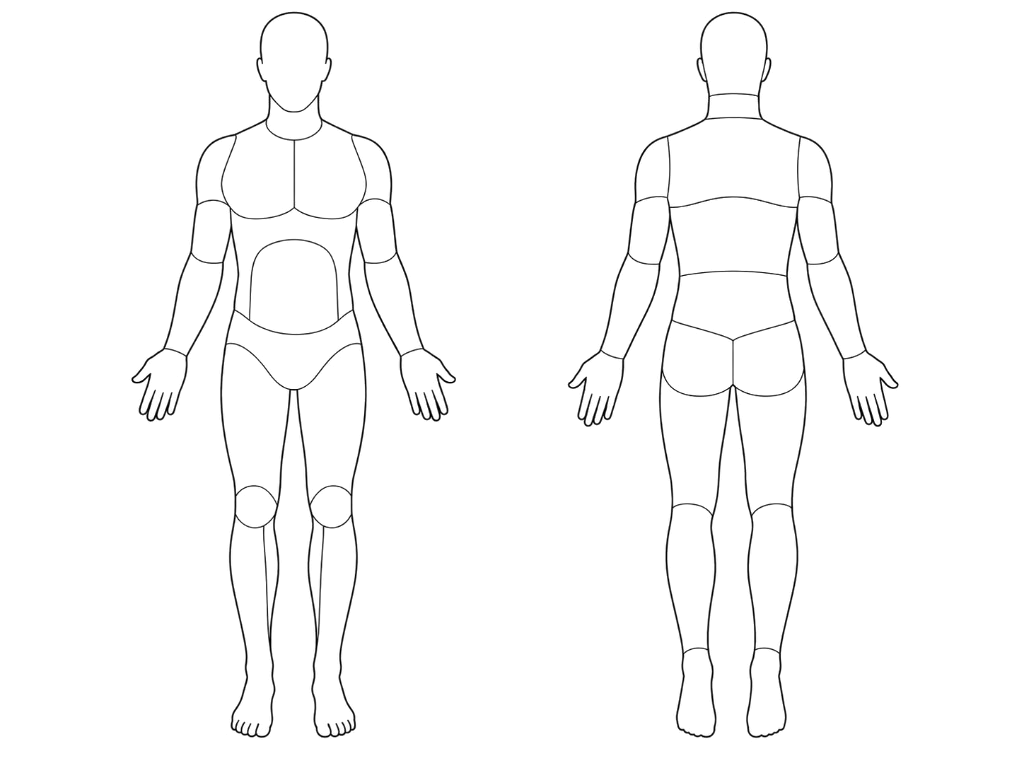
Pain is often one-sided in the temple, forehead, or behind the eye, but it can affect both sides, the whole head, or shift during an attack. Neck pain or tightness is also common before or during a migraine.
What does a migraine feel like?
People often describe a throbbing or pulsing ache that builds over minutes to hours. Routine movement (walking, climbing stairs) can make it worse. Light, noise, and smells may feel unbearable. Some attacks start with an aura — temporary visual or sensory changes — before the pain phase.
Common causes and triggers of migraine
- Genetics / family history of migraine
- Hormonal changes (e.g. menstrual cycle)
- Stress, poor sleep, or irregular meals
- Certain foods, alcohol, or caffeine swings
- Bright lights, strong smells, or loud noise
- Weather changes or dehydration
Genetics and brain pathways
Migraine often runs in families. It involves temporary changes in nerve and blood-vessel signaling — not a character flaw or “stress only.”
Hormones
Shifts around menstruation, pregnancy, or hormone therapy can trigger attacks in many people who menstruate.
Lifestyle and environment
Missed meals, too little or too much sleep, dehydration, and sensory overload are frequent triggers. Tracking patterns helps more than guessing one “bad” food.
Tension headache vs migraine
Tension-type pain is often a dull band around the head. Migraine more often throbs, comes with nausea or light sensitivity, and can stop normal activity. Overlap exists — a clinician can help sort them out.
Symptoms that may occur with migraine
- Throbbing or pulsing head pain (often one-sided)
- Sensitivity to light, sound, or smells
- Nausea or vomiting
- Visual aura (flashing lights, zigzag lines, blind spots)
- Pain that worsens with routine activity
- Fatigue, neck stiffness, or brain fog around an attack
When should you seek urgent medical help?
Get urgent care if:
- Sudden “thunderclap” headache — worst of your life, peaks in seconds
- Headache with fever, stiff neck, confusion, or seizure
- Weakness, drooping face, trouble speaking, or vision loss that is new and severe
- Headache after a head injury
- New headache pattern after age 50, or progressive worsening over days/weeks
- Aura symptoms that last much longer than usual or feel different from your norm
How migraine is diagnosed
Diagnosis is mainly clinical: your history, attack pattern, and exam. Imaging is not always needed for typical migraine.
- Detailed headache history (frequency, duration, aura, triggers)
- Neurological exam
- Headache diary over weeks
- MRI or CT if red flags or an unusual pattern
- Review of medicines and other conditions that can mimic migraine
Treatment options
- Acute medicines taken early in an attack (e.g. NSAIDs, triptans — if prescribed)
- Anti-nausea medicine when vomiting blocks oral pills
- Preventive daily or monthly treatments if attacks are frequent or disabling
- CGRP-targeted therapies for some people (clinician-guided)
- Trigger management, sleep, hydration, and meal regularity
- Behavioral approaches (stress skills, biofeedback) as add-ons for many patients
Can I manage a migraine at home?
Often yes— if this is your usual migraine pattern
Rest, a dark quiet room, fluids, and medicine your clinician approved for attacks can be enough. If the headache is sudden, much worse than usual, or comes with new warning signs, do not wait it out at home.
What helps at home
- Rest in a dark, quiet room as soon as symptoms start
- Drink water and take a small snack if you can keep it down
- Use clinician-approved acute medicine early — don’t wait until peak pain
- Cool pack on the forehead or neck if it helps you
- Keep a simple diary: date, triggers, what worked
Avoid
- Taking acute pain meds every day for weeks (rebound headache risk)
- Pushing through bright screens and loud spaces during an attack
- Skipping meals and sleep when you already know those trigger you
- Ignoring new neurological symptoms that are not your usual aura
Everything about migraine
Migraine is a common neurological disorder. Attacks often move through phases: prodrome (subtle warning signs), optional aura, the headache itself, then a postdrome “hangover” of fatigue or fog. Not everyone has every phase.
Episodic migraine means fewer attacks per month; chronic migraine means headache on 15 or more days a month, with migraine features on many of those days. Both deserve a real care plan — especially if work, school, or sleep are disrupted.
Effective care usually mixes acute treatment (stop an attack) and prevention (reduce how often attacks hit). What works is individual: the same trigger or medicine does not fit everyone.
This page is general information, not a personal diagnosis. If headaches are new, suddenly severe, or changing, get medical care promptly.
Frequently asked questions
Is migraine the same as a regular headache?
No. Migraine is a neurological condition with a typical pattern — often throbbing pain, sensory sensitivity, and sometimes aura — not just any head pain.
Can I treat a migraine at home?
Yes for many typical attacks: dark quiet rest, hydration, and clinician-approved acute medicine taken early. Red-flag or first-time severe headaches need urgent evaluation.
When should I see a doctor for migraine?
See a clinician if attacks are frequent, disabling, not helped by over-the-counter options, or if you need a prevention plan. Seek urgent care for thunderclap pain, fever with stiff neck, stroke-like symptoms, or headache after injury.
Informational only — not a diagnosis or treatment plan. Seek professional care for personal medical decisions.