
Abdomen
IBS: Symptoms, Causes and Treatment
IBS (irritable bowel syndrome) is a common gut–brain disorder that causes recurring belly pain with changes in bowel habits — diarrhea, constipation, or both. It does not damage the intestine the way IBD does, but flares can still disrupt daily life.
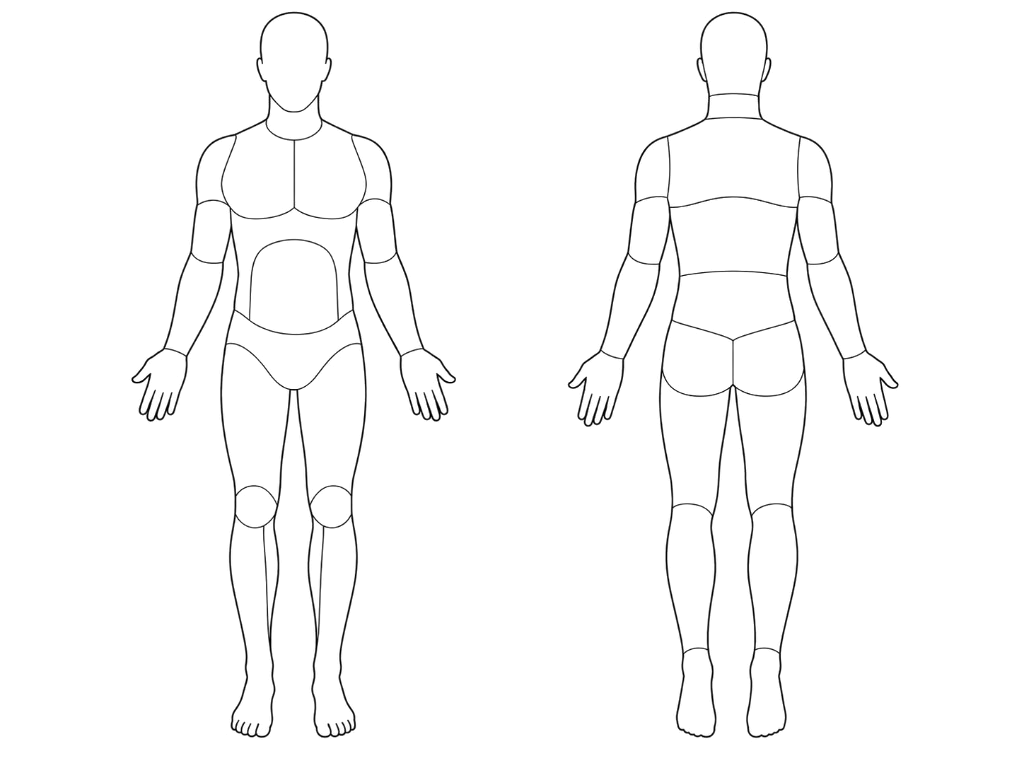
Where is IBS pain located?
Discomfort is usually in the lower or mid abdomen and often eases after a bowel movement. Location can shift — left side, right side, or a general bloated ache across the belly.
What does IBS feel like?
People often describe cramping, tightness, or a balloon-like bloating that builds after eating. Urgency to use the bathroom is common in diarrhea-predominant IBS; straining and hard stools dominate constipation-predominant IBS. Severity swings from mild to disabling during flares.
Common causes and triggers of IBS
- Gut–brain signaling changes (how the gut and nervous system talk)
- Visceral hypersensitivity — the gut feels pain more easily
- Altered motility (bowel moves too fast or too slow)
- Stress, anxiety, and poor sleep
- Certain foods (high-FODMAP items, fatty meals, caffeine, artificial sweeteners)
- After a gut infection (post-infectious IBS in some people)
IBS-D, IBS-C, and IBS-M
Doctors often group IBS by main bowel pattern: diarrhea (IBS-D), constipation (IBS-C), or mixed (IBS-M). The subtype guides which diet and medicines are tried first.
Food sensitivity vs allergy
IBS triggers are usually intolerances or fermentable carbs, not classic food allergies. Elimination diets work best with a short, structured plan — not cutting everything forever.
Stress and the gut
Stress does not “cause” IBS alone, but it can amplify pain signals and motility. Sleep and stress skills are part of real treatment for many people, not optional extras.
IBS vs IBD
IBS is a functional disorder without the intestinal inflammation seen in Crohn’s disease or ulcerative colitis (IBD). Blood in stool, fever, or unexplained weight loss points away from uncomplicated IBS and needs medical workup.
Symptoms that may occur with IBS
- Cramping or abdominal pain related to bowel movements
- Bloating and gas that come and go
- Diarrhea, constipation, or alternating between both
- Feeling of incomplete emptying after a bowel movement
- Mucus in the stool (without blood)
- Symptoms that flare with meals, stress, or certain foods
When should you seek urgent medical help?
Get urgent care if:
- Blood in the stool or black, tarry stools
- Fever with severe abdominal pain
- Unexplained weight loss or waking at night with diarrhea
- Persistent vomiting or inability to keep fluids down
- New symptoms after age 50, or a strong family history of colon cancer / IBD
- Severe pain that is sudden, escalating, or unlike your usual IBS flare
How IBS is diagnosed
IBS is diagnosed mainly by symptom pattern (often Rome criteria) after a clinician rules out red-flag conditions. There is no single blood test that “proves” IBS.
- History of pain linked to bowel habits for months
- Physical exam and basic labs when indicated
- Stool tests if infection or inflammation is possible
- Celiac screening in many adults with IBS-like diarrhea
- Colonoscopy or imaging when age, bleeding, or other red flags require it
Treatment options
- Diet strategies (soluble fiber, low-FODMAP trial with guidance, meal regularity)
- Antispasmodics or gut-directed pain approaches for cramping
- Medicines for constipation or diarrhea matched to your subtype
- Peppermint oil or other clinician-approved symptom aids for some people
- Gut-directed CBT, hypnotherapy, or stress skills when the gut–brain loop is loud
- Probiotics — results vary; worth discussing rather than guessing forever
Can I manage IBS at home?
Often yes— once red flags are ruled out
Many people control flares with diet patterns, stress tools, and OTC options their clinician okays. New bleeding, weight loss, or a change in your usual pattern still needs medical review — do not self-label everything as IBS.
What helps at home
- Eat regular meals; avoid long gaps then huge portions
- Trial soluble fiber (e.g. psyllium) slowly if constipation or mixed symptoms
- Note personal triggers for 2–4 weeks instead of cutting every food at once
- Move daily and protect sleep — both affect gut motility
- Use heat on the belly for cramps if it helps you
Avoid
- Extreme long-term restriction diets without professional guidance
- Assuming blood in stool is “just IBS”
- Overusing laxatives or antidiarrheals day after day without a plan
- Ignoring symptoms that wake you at night or come with fever
Everything about IBS
IBS is common and real. The intestine looks normal on many tests, yet the nerves and muscles of the gut misfire — pain, urgency, and bloating can still be intense. Calling it “in your head” is outdated; the gut–brain axis is a medical target.
Good care is layered: confirm the pattern, exclude look-alikes, then match diet and medicines to diarrhea, constipation, or mixed symptoms. Improvement is often stepwise, not overnight.
This page is general information, not a personal diagnosis. Get checked if symptoms are new, severe, or include red flags like bleeding or weight loss.
Frequently asked questions
Is IBS the same as Crohn’s or ulcerative colitis?
No. Those are inflammatory bowel diseases (IBD) with visible inflammation and higher complication risk. IBS does not cause the same tissue damage, though symptoms can overlap until a clinician sorts them out.
Does IBS cause blood in the stool?
Uncomplicated IBS should not cause rectal bleeding. Blood needs evaluation for other causes (hemorrhoids, infection, IBD, polyps, and more) — do not write it off as IBS.
Will a low-FODMAP diet cure IBS permanently?
It can reduce symptoms for many people, but it is a structured trial — not a forever ultra-restrictive lifestyle. The goal is to identify triggers, then reintroduce foods you tolerate.
Can anxiety make IBS worse even if my tests are normal?
Yes. Stress and anxiety can heighten gut pain signaling and change motility. That does not mean symptoms are imaginary — gut-directed therapies and stress skills are legitimate parts of IBS care.
Informational only — not a diagnosis or treatment plan. Seek professional care for personal medical decisions.