Chest
Costochondritis: Chest Wall Pain, Causes and Care
Costochondritis is inflammation where the ribs’ cartilage meets the breastbone — a chest-wall problem that can feel alarmingly like heart pain. The good news: once serious causes are ruled out, it is usually musculoskeletal and settles with rest, anti-inflammatories, and time. The important news: never assume new chest pain is “just costochondritis” on your own.
Where is costochondritis pain located?
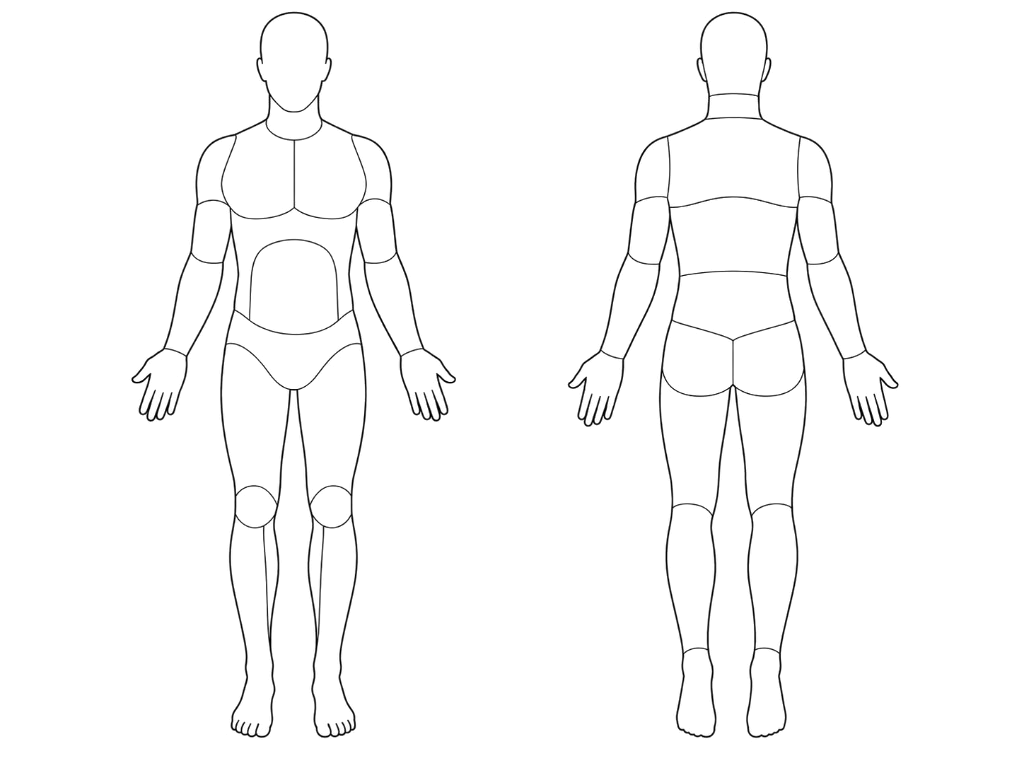
Pain sits on the front of the chest — often the left side, a few centimeters from the sternum — right over the costochondral junctions (those blue cartilage bridges in the skeleton diagram). Pressing that spot usually recreates the ache. That “I can poke it” quality is a classic chest-wall clue… after a clinician has made sure it isn’t the heart.
What does costochondritis feel like?
Think sharp, stabbing, or a dull bruise-without-a-bruise. Taking a deep breath can light it up. Twisting to grab a seatbelt, coughing, or a hard gym session may set it off. Unlike many heart attacks, the pain often stays tender to touch and may ease when you hold still — but overlap exists, which is why ER visits for this are common and often appropriate.
What causes costochondritis
The cartilage that joins ribs to the sternum gets irritated. Sometimes you know why (a cold with endless coughing, a new bench-press PR). Sometimes it just appears.
- Repetitive strain — lifting, rowing, overhead work, contact sports
- Hard coughing or respiratory infections that shake the chest wall
- Recent chest trauma or surgery
- Viral illness that leaves joints and cartilage cranky
- Poor posture / desk tension that loads the rib joints unevenly
- Less often: inflammatory arthritis conditions that include the chest wall
Costochondritis vs Tietze syndrome
Both involve the costochondral area. Tietze syndrome usually adds visible swelling at one or two junctions and is rarer. Costochondritis is pain and tenderness without that obvious bulge. Labels matter less than ruling out cardiac and lung emergencies first.
Chest wall pain vs heart pain
Heart-related pain more often feels like pressure or squeezing, may travel to the jaw or arm, and comes with shortness of breath, sweating, or nausea — especially with exertion. Chest-wall pain is frequently pinpoint and pokeable. You cannot reliably self-sort these when symptoms are new or severe.
GERD and anxiety can share the stage
Acid reflux and panic can also hurt in the chest. People sometimes collect all three labels over months. A proper exam still starts by excluding the dangerous ones.
Why the skeleton picture helps
Those light-blue strips between ribs and sternum are costal cartilage — the exact neighborhood costochondritis lives in. Inflammation there screams “chest,” even though the heart is fine.
Symptoms that may occur with costochondritis
- Sharp or aching pain on the chest wall, often near the breastbone
- Tenderness you can reproduce by pressing the rib–sternum junctions
- Pain that worsens with deep breaths, coughing, or twisting
- Discomfort that may radiate to the back or belly — but usually not like classic heart attack patterns
- One or a few spots that feel “bruised” without a bruise
- Anxiety that spikes because any chest pain feels scary — which is fair
When should you seek urgent medical help?
Treat new chest pain as urgent until cleared — especially if:
- Pressure, squeezing, or crushing pain; pain with exertion
- Shortness of breath, sweating, nausea, dizziness, or fainting
- Pain radiating to jaw, neck, or either arm
- Sudden severe pain with rapid heartbeat or a sense of doom
- Chest pain after a major injury, or with fever and productive cough you can’t explain
- Swelling, redness, or warmth over the joint plus feeling systemically ill
How costochondritis is diagnosed
There is no single blood test for it. Diagnosis is clinical: the story plus tender spots — after enough workup to make cardiac and pulmonary emergencies unlikely.
- History and careful chest-wall exam (reproducible tenderness)
- ECG / blood tests / imaging when heart or lung disease must be excluded
- Chest X-ray if pneumonia, pneumothorax, or other lung issues are possible
- Further tests only if the pattern is atypical or not improving
Treatment options
- Relative rest from the movements that poke the junctions (not total bed rest forever)
- Anti-inflammatory pain relief when safe for you (ask a clinician / pharmacist)
- Heat or ice — whichever calms your flare
- Gentle posture work and later graded return to lifting
- Physical therapy if pain lingers or keeps returning
- Rarely, local injections for stubborn cases under specialist care
Can I manage costochondritis at home?
Often yes— after serious causes are ruled out
Once a clinician is comfortable calling it chest-wall pain, home care is the main show: calm the flare, avoid the aggravators, rebuild capacity. Self-diagnosing during a first scary episode is the wrong move.
What helps at home
- Pause heavy pressing, twisting sit-ups, and one-arm loaded reaches for a bit
- Use clinician-approved anti-inflammatories or acetaminophen as labeled
- Try a warm pack on the sore junctions; some prefer ice after activity
- Sleep in a position that doesn’t crush the tender side
- Return to exercise gradually — pain during a move is a yellow light, not a trophy
Avoid
- Benching through sharp chest-wall pain “to stay on program”
- Endless Googling that replaces an ER visit when red flags are present
- Assuming every future chest twinge is costochondritis forever
- High-dose NSAIDs for weeks without medical advice
The bigger picture
Costochondritis sits at an awkward intersection: medically often mild, emotionally often terrifying. The cartilage between ribs and sternum does not show off on a casual glance, but when it flares, every breath advertises it.
Most people improve over days to a few weeks. A minority get recurring flares — usually when they reload the chest wall too fast. The durable fix is pacing plus strength and mobility that share load across the shoulder girdle and spine, not only popping pills.
This page is general information, not a personal diagnosis. New, exertional, or accompanying chest symptoms need prompt medical evaluation.
Frequently asked questions
Can costochondritis feel exactly like a heart attack?
It can feel frighteningly similar to the person having it. Clinicians use exam and tests to separate them. If you are unsure — especially with pressure, sweating, breathlessness, or arm/jaw pain — seek emergency care rather than self-labeling.
How long does costochondritis usually last?
Many flares settle within a few days to several weeks. Lingering or recurring pain past a month of smart rest and care deserves a follow-up visit.
Is it safe to exercise with costochondritis?
Light walking is usually fine. Skip heavy chest presses, violent twisting, and anything that recreates sharp junction pain until the flare calms, then rebuild gradually.
Does costochondritis show up on an X-ray?
Usually not. Imaging is more about excluding other problems. The diagnosis leans on history and reproducible tenderness on exam.
Informational only — not a diagnosis or treatment plan. Seek professional care for personal medical decisions. New chest pain needs urgent evaluation until serious causes are excluded.